


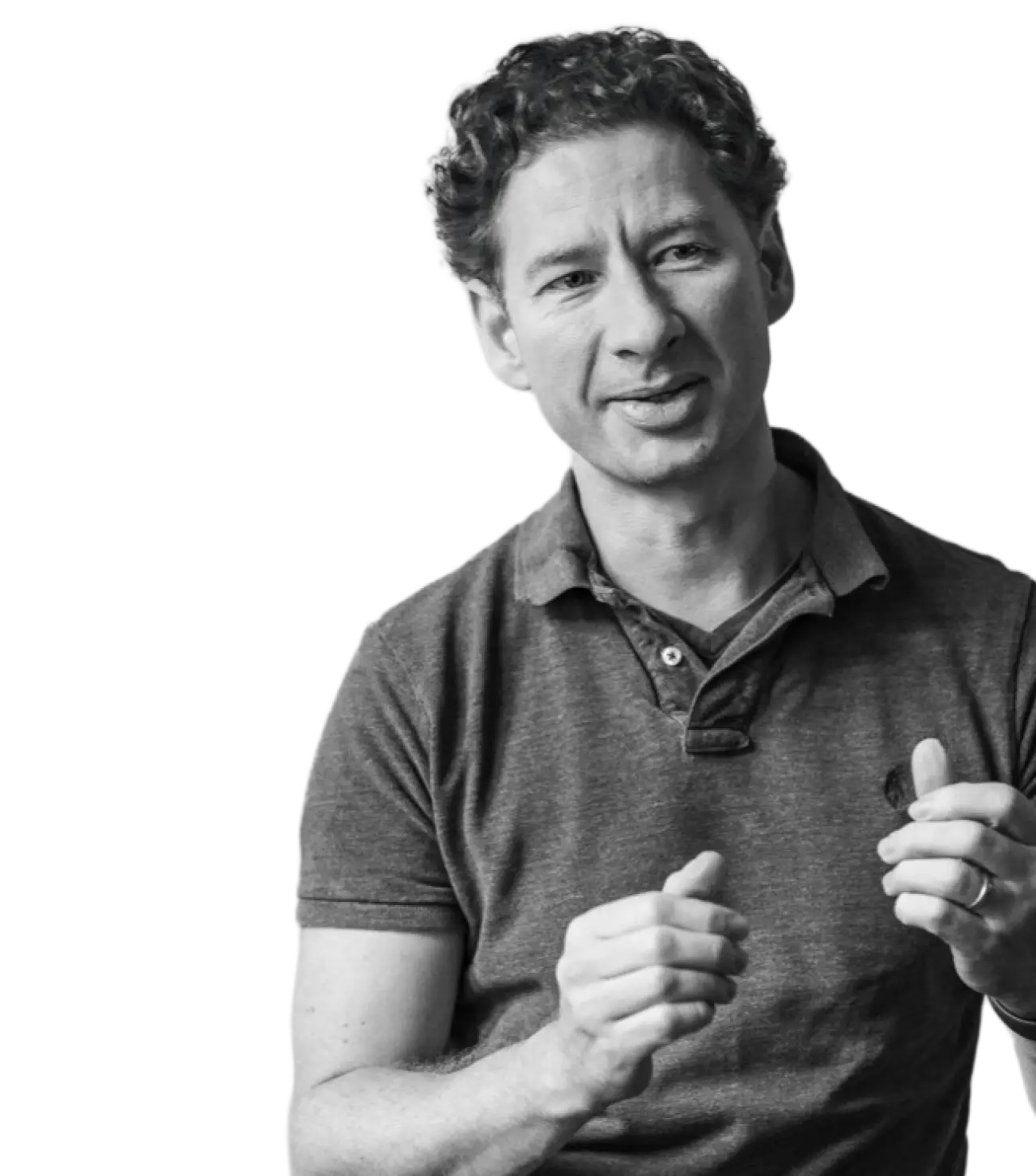
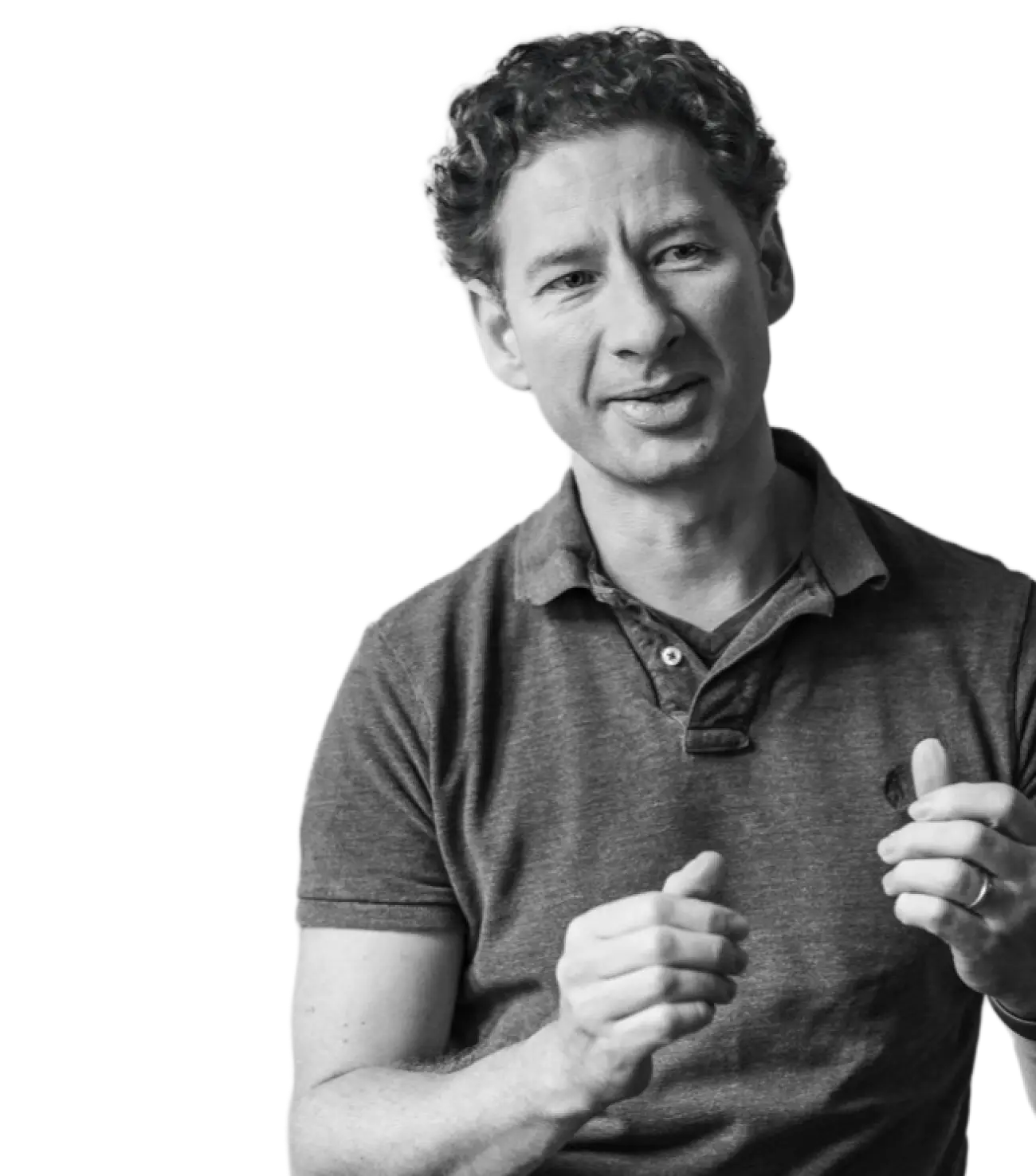
I am both a trained research scientist, with publications in top tier journals, and an established systems engineer, with products deployed in global markets.

R&D
Research and Development, or R&D, is where I do my best work. I am a trained research scientist with publications in top journals, and a systems engineer with products deployed worldwide. R&D is often written off as a cost centre, but for me it means solving the hardest problems to move profit and loss. Those problems need real creativity, not just more engineering effort, so I work from a first-principles understanding of hardware, systems, and networks and ground every decision in measurement and experimentation: creative ideas are cheap; ideas that survive contact with production are not. My favourite R&D work is finding unconventional solutions to long-standing problems and turning them into business impact.

MEASUREMENT
High-quality systems design starts with high-quality measurement: a decision is only as good as the data behind it. Measurement itself is hard, frustrated by confounding effects that are subtle and difficult to remove, so the techniques have to be precise and low-overhead enough to observe a system without changing its behaviour. Designing those techniques for high-performance, low-latency systems is as much an art as a science, and I've spent much of my career doing exactly that, in both academia and industry.

NETWORKING
Computer networking is the field I am most recognised for, spanning academic research, industrial practice, and applied systems development. At the University of Cambridge Computer Laboratory, my research focused on networked systems, particularly datacenter and low-latency networking, and I was first author on work on latency-bounded communication, scheduling, and cross-layer network design. That academic grounding carried directly into industry, where I designed, measured, and optimised performance-critical production systems. Several of these became Cisco products. Much of the resulting tooling was released as open source, for measuring, diagnosing, and improving high-performance networks.

TIME SYNCHRONIZATION
Time synchronisation is a topic I have advanced through both research and invention. At the University of Cambridge, I co-authored peer-reviewed papers in top systems venues, including NSDI (Networked Systems Design and Implementation) and SIGCOMM (Special Interest Group on Data Communication), which rely on precise time synchronisation to reason about network latency, scheduling, and cross-layer behaviour. I am also a named inventor on a patent that advances high-precision time synchronisation at scale over layer-1 networks, have presented internationally on the topic, and contributed to PTP4L, the daemon behind the Linux implementation of PTP (Precision Time Protocol).

LEADERSHIP
Leadership is a thread that runs through my career at every level, from executive roles to board seats to community organising. I held senior leadership positions at Exablaze, helping lead the company through growth, technical differentiation, and its acquisition by Cisco, and continued in a senior technical and strategic role after the acquisition completed. Beyond my own company, I serve as a board member of several organisations, contributing governance and strategic guidance beyond day-to-day engineering. I first took on this kind of role as a student, serving as a representative and president of several organisations.

FPGA
FPGAs, or Field-Programmable Gate Arrays, are a core part of my systems toolkit, especially for ultra-low-latency networking, measurement, and acceleration. Through my work at Exablaze and later Cisco, I have been directly involved with FPGA-based NICs (Network Interface Cards), capture cards, and networking devices used in performance-critical environments, where a single unpredictable delay can invalidate an entire measurement or trading decision. My expertise centres on how FPGA logic integrates with interconnects such as PCIe (Peripheral Component Interconnect Express) and Ethernet, clocks, drivers, and software stacks. Understanding those boundaries is what lets hardware offload remove bottlenecks and improve predictability. I have also taught FPGA fundamentals through industry forums, bridging hardware concepts and software engineering for real-world systems.

VOLUNTEER
Volunteer service has been a constant alongside my career, focused on governance, advocacy, and community leadership. I serve as a board member of the seL4 Foundation, contributing to the strategic oversight of a globally significant open-source, high-assurance operating system, and as Vice President of the Osteogenesis Imperfecta (OI) Society of Australia, supporting advocacy and community representation for people living with OI. Earlier in my career, I held multiple student leadership and representative roles, including several presidencies.

TEACHING
Teaching runs through my career in three forms: formal academic instruction, industry education, and technical mentorship. At the University of Cambridge, I took part in the teaching and supervision typical of doctoral researchers in systems, supporting students through tutorials, labs, and research guidance. In industry, I have taught extensively through technical talks, guided study groups, and structured presentations, notably through STAC Research and Cisco, delivering primers on FPGAs, interconnects, networking, and performance measurement to experienced engineers.